Clarity Act’s Passage Before Summer Break Unlikely, Senate Leadership Confirms
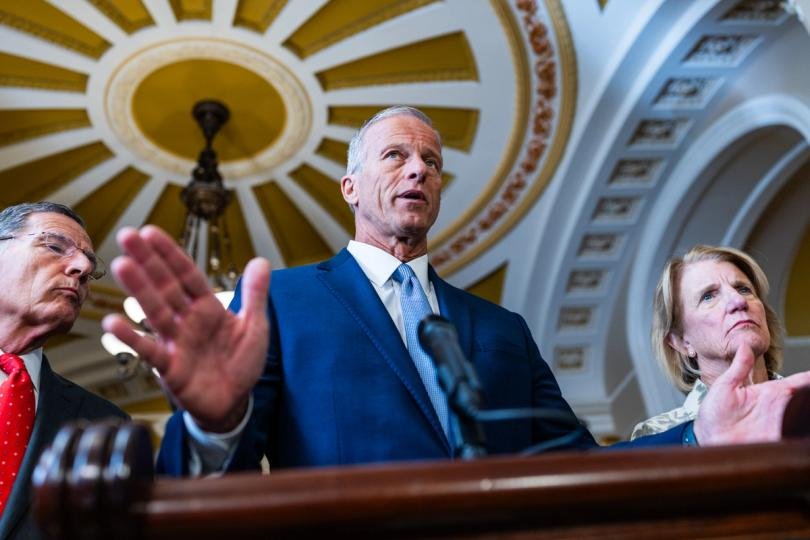
A pivotal legislative initiative aimed at establishing a comprehensive regulatory framework for the cryptocurrency market in the United States appears set for an unavoidable delay. Senate Majority Leader John Thune (R-SD) has indicated that the bipartisan effort to pass a crypto market structure bill, often championed by proponents as a means to foster clarity and innovation, will likely not be completed before Congress recesses for its summer break. While an initial step towards its consideration might still occur, the news signals a significant pause in the pursuit of regulatory certainty for the rapidly evolving digital asset sector.
A Setback for Crypto Regulatory Progress
The proposed legislation, informally dubbed the 'Clarity Act' by some, seeks to untangle the complex web of regulations currently governing cryptocurrencies. Its core objective is to define the jurisdictional boundaries for federal agencies like the Securities and Exchange Commission (SEC) and the Commodity Futures Trading Commission (CFTC), providing a clearer operational landscape for digital asset exchanges, stablecoin issuers, and the broader classification of various crypto tokens. Senator Thune's assessment confirms growing anxieties among industry stakeholders that the intricate nature of crypto policy, coupled with a packed legislative calendar, has made timely enactment a significant challenge.
Understanding the Scope of the Market Structure Bill
At its heart, this legislative endeavor aims to resolve the long-standing ambiguity over which regulatory body has primary oversight for different types of digital assets. This distinction—whether an asset is considered a security or a commodity—carries profound implications for how it is offered, traded, and governed. Beyond classification, the bill typically addresses critical areas such as consumer protection measures, robust market surveillance, and the specific regulatory treatment of stablecoins, reflecting a broad desire across the aisle to bring structured oversight to a sector that has largely operated with limited federal guidance.
Congressional Dynamics and the Impending Recess
The legislative process in Washington D.C. is notoriously demanding, particularly as lawmakers approach scheduled breaks. The summer recess traditionally sees members of Congress return to their home states, shifting focus from federal policy debates to constituent engagement and local issues. For a substantial and complex bill like the crypto market structure legislation, securing broad consensus, navigating committee markups, and dedicating valuable floor time for a comprehensive vote requires a considerable political push and often extensive bipartisan cooperation, which can be difficult to achieve within a compressed timeframe. Senator Thune's remark that the bill 'may get a start before then' likely refers to initial committee discussions or the formal introduction of a draft, rather than a definitive move towards a final vote on the Senate floor.
Implications for the Digital Asset Ecosystem
The anticipated delay prolongs the period of regulatory uncertainty that has characterized the U.S. crypto market for years. This persistent ambiguity can serve as a deterrent to institutional investment, potentially stifle innovation from domestic startups, and might even encourage crypto businesses to seek clearer, more predictable regulatory environments abroad. For consumers, it means continued navigation of a fragmented regulatory landscape, which could result in varying levels of protection depending on the specific digital asset or platform they utilize. The industry will now undoubtedly pivot its advocacy efforts towards the post-recess legislative agenda, hoping to regain momentum in the fall session.
While the immediate prospect of a comprehensive crypto market structure bill passing before the summer break has diminished, the fundamental need for such legislation remains. The statement from Senate leadership underscores the inherent challenges in legislating a rapidly evolving technological and financial sector within a busy congressional schedule. Stakeholders across the digital asset ecosystem will continue to press for progress, as the pursuit of a coherent and predictable regulatory environment in the United States persists, albeit on a potentially extended timeline.
Fonte: https://www.coindesk.com